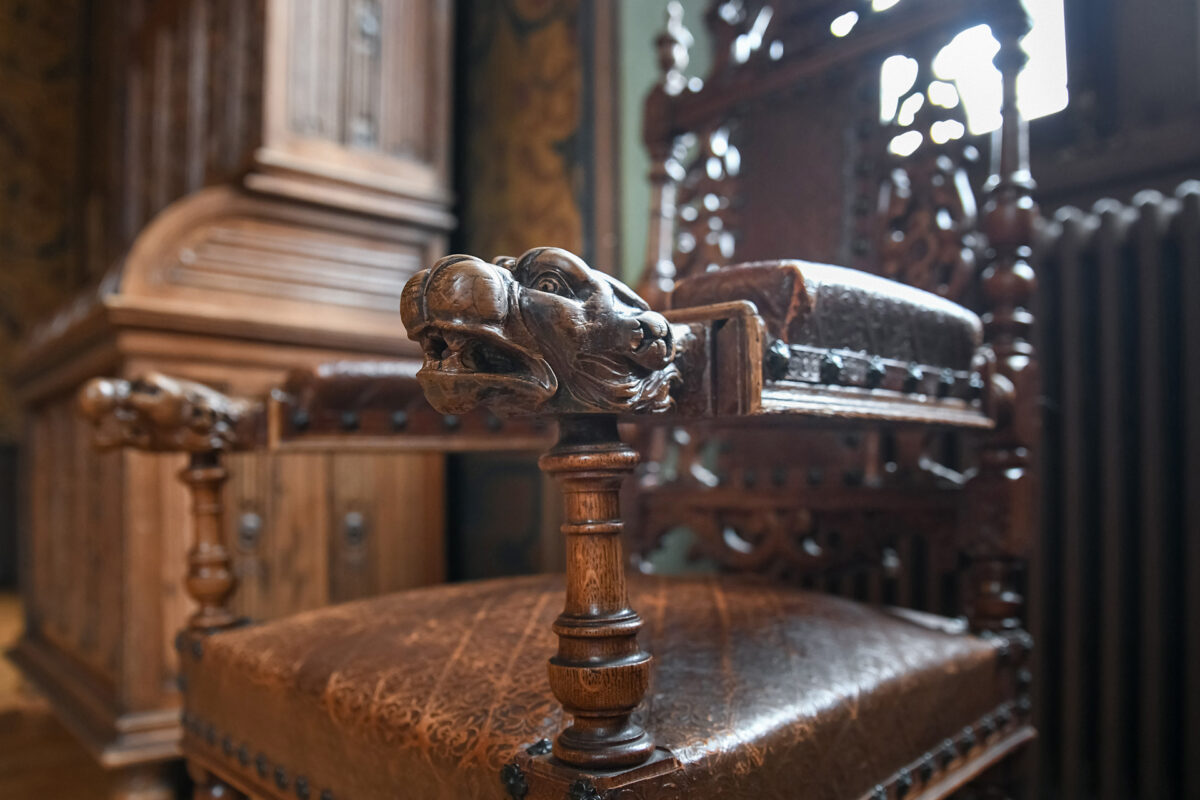
Let us talk about Grandma’s chair. You know the one. Probably a Queen Anne wingback or a solid timber-framed armchair with slightly dubious floral fabric that has been in the family for decades. It is comfortable, genuinely, brilliantly comfortable in a way that modern furniture rarely manages, but it looks like it belongs in a 1987 sunroom rather than your carefully curated living space.
So it sits in the spare bedroom. Or the study. Or you have been storing it in the garage for three years because you cannot quite bring yourself to get rid of it but you also cannot see how it fits.
Here is the thing: that chair is almost certainly better made than anything you will find on the market today at any price point under $3,000. And at Brisbane Upholstery’s Northgate studio, with over 80 years of combined experience in European-trained craftsmanship, we do this kind of transformation every single week.
This post is your complete guide to the heirloom refresh: what is involved, how to think about fabric selection, what structural modernisation actually means, and why the end result can be something that bridges heritage and contemporary style so seamlessly your guests will not believe it started as grandma’s old chair.
There is a reason that design movements keep coming back to the same silhouettes. Chesterfield sofas, Camelback settees, tub chairs, wingbacks, cabriole legs, carved timber frames. These shapes have endured because they are genuinely beautiful. They have proportions, detail, and character that are extraordinarily difficult to reproduce affordably in modern manufacturing.
A Chesterfield lounge reupholstered in a contemporary brushed leather in charcoal or deep navy becomes one of the most striking statement pieces a room can contain. A Queen Anne armchair in a bold geometric linen sits as confidently in a modern Scandi-influenced living room as it did in its original Victorian drawing room. The shape itself is the asset. The fabric is simply how you contextualise it for your moment in time.
This is, ultimately, what heirloom furniture has always been: a structure that outlasts any single era of taste, updated to feel at home in each new decade it inhabits.
Choosing the right fabric is the single most important decision in any reupholstery project. In Brisbane’s climate, that decision has both aesthetic and practical dimensions. Here is what to consider across three key criteria.
When choosing fabric for upholstery, particularly for pieces that will see regular use, the rub count is your most important technical specification. Rated using the Martindale or Wyzenbeek method, this number tells you how many cycles of friction a fabric can withstand before showing significant wear.
For domestic upholstery in a family home, a minimum of 15,000 to 20,000 rubs is generally recommended. For pieces in high-traffic positions, such as a primary lounge chair or a family sofa, look for fabrics rated at 30,000 rubs or above. Commercial-grade fabrics often start at 100,000 rubs, which represents genuine longevity in any domestic setting. The extensive fabric library at Brisbane Upholstery covers this entire spectrum, and our team can advise on the right specification for your piece.
Queensland’s warm, humid summers mean that fabric breathability matters more here than in cooler climates. Synthetic velvet and certain wovens can trap heat in a way that makes upholstered furniture genuinely uncomfortable during Brisbane summers, while natural fibres and performance weaves designed for warmer conditions maintain a more pleasant surface temperature.
Quality linen blends, cotton velvets, wool weaves, and technical performance fabrics all perform well in Brisbane conditions. Many performance fabrics now include moisture-wicking properties originally developed for hospitality settings. We generally recommend avoiding cheap polyester for primary seating pieces as it looks and feels noticeably synthetic, ages poorly under UV exposure, and lacks the tactile quality that a well-made piece deserves.
North-facing rooms in Brisbane can receive significant direct sun through winter, while west-facing glazing in summer is extremely demanding on fabrics and finishes alike. If your refreshed piece will be positioned in a sunlit room, UV resistance becomes a critical selection criterion.
Many quality upholstery fabrics are now rated for UV exposure. Look for a lightfastness rating of 5 or above on the ISO 105-B02 scale for pieces in bright Brisbane rooms. Fading is one of the most common disappointments in furniture upholstery, and it is entirely preventable with the right fabric specification.
A full heirloom refresh at Brisbane Upholstery is not simply a matter of removing old fabric and replacing it with new. The structural work inside the piece is what determines whether the finished result feels genuinely modern and comfortable, or merely looks different on the outside. There are three areas where this work makes the greatest difference.
Traditional eight-way hand-tied coil spring systems, the kind found in quality mid-century furniture, are remarkably durable and worth preserving when they are still in good condition. However, after fifty or sixty years, springs can lose tension, break, or settle unevenly, producing the characteristic sinking sensation in older lounge chairs.
Modern high-resilience sinuous spring systems, or a re-tied and re-tempered version of the original coil springs, restore the support and firmness of a piece to something that feels genuinely contemporary. The suspension beneath the fabric is what your body actually experiences. Getting it right is as important as any aesthetic choice.
The foam and padding inside vintage furniture has almost certainly degraded. Original horsehair and cotton wadding, while historically appropriate, is often compressed and lumpy after decades of use. Original foam, where fitted, has frequently broken down into the crumbling, scratchy texture that makes older furniture uncomfortable.
Replacing interior padding with high-resilience (HR) foam transforms the sitting experience of an older piece. A well-specified HR foam cushion will maintain its shape and support for fifteen to twenty years under regular use and can be specified in a range of ILD ratings to produce anything from a firm, supportive seat to a deep, enveloping lounge feel. For an authentic vintage aesthetic, a layer of quality Dacron or cotton batting over the foam softens the profile and produces the characteristic crown on seat cushions that distinguishes quality upholstery from the flat, boxy look of budget work.
Perhaps the most important skill in an heirloom refresh is knowing what not to change. An original carved timber frame, period-appropriate turned legs, or distinctive hardware should not be altered or obscured. These are the heritage details that make the piece irreplaceable.
Our European-trained craftspeople approach every piece with an understanding of its original design language. The goal is a dialogue between past and present, not an erasure of history.
Brisbane homes range from pre-war Queenslanders to modern townhouses, but a few fabric and silhouette pairings consistently deliver outstanding results regardless of the surrounding interior. Here are four combinations worth considering.
A deep-buttoned Chesterfield in full-grain leather ages magnificently and reads as both traditional and contemporary depending on the colour. Charcoal, warm slate, cognac, and forest green are all performing strongly in current interior design trends and look extraordinary against the architectural details of a Chesterfield’s rolled arms and buttoned back.
The strong vertical lines of a wingback chair are the perfect canvas for a bold pattern. A contemporary geometric in navy and natural, or a large-scale botanical, turns a classic form into a genuine conversation piece. Keep the timber legs in a natural oil finish rather than dark stain to keep it feeling current.
Performance velvet in the dusty, muted tones that dominate current Australian interior palettes brings an older tub chair firmly into the contemporary moment. Sage green, dusty rose, warm terracotta, and deep teal are all working beautifully right now, and quality performance velvet handles Brisbane’s climate far better than its traditional counterpart.
Boucle has become one of the defining textures of contemporary Australian interiors, and it sits surprisingly well on period dining chairs with carved timber frames. The textural contrast between a detailed Victorian or Edwardian frame and a loose, tactile boucle fabric is visually rich without being busy.
The best place to start is a conversation. Bring your piece into our Northgate studio, or send us a good set of photos, and we will walk you through the possibilities. Our fabric library contains hundreds of options across every price point and specification, and our team’s experience means we can help you navigate from a general direction to exactly the right choice in a single visit.
We specialise in quality domestic and antique pieces, and we will always give you an honest view of what is achievable, what the investment looks like, and what the finished result will be. If a piece has good bones, and most older furniture does, the transformation is often genuinely extraordinary.